Recent developments in Myrnohrad and Pokrovsk in the Donetsk region indicate significant changes at the front, as Russian forces have taken strategic heights, complicating the operations of the Armed Forces of Ukraine, as reported by Volodymyr Polovyi, head of communications for the 7th Rapid Reaction Corps.
He noted that the enemy is actively deploying its units to the area, creating conditions for controlling the heights, which allows for the placement of surveillance systems and cameras, effectively blocking access to Ukrainian positions. This also enables the Russians to establish command posts within urban infrastructure.
Polovyi emphasized that Russian troops do not have full control over the cities: Ukrainian observation positions remain in the northern parts of Myrnohrad and Pokrovsk. However, ground logistics in this region are described as "extremely complex."
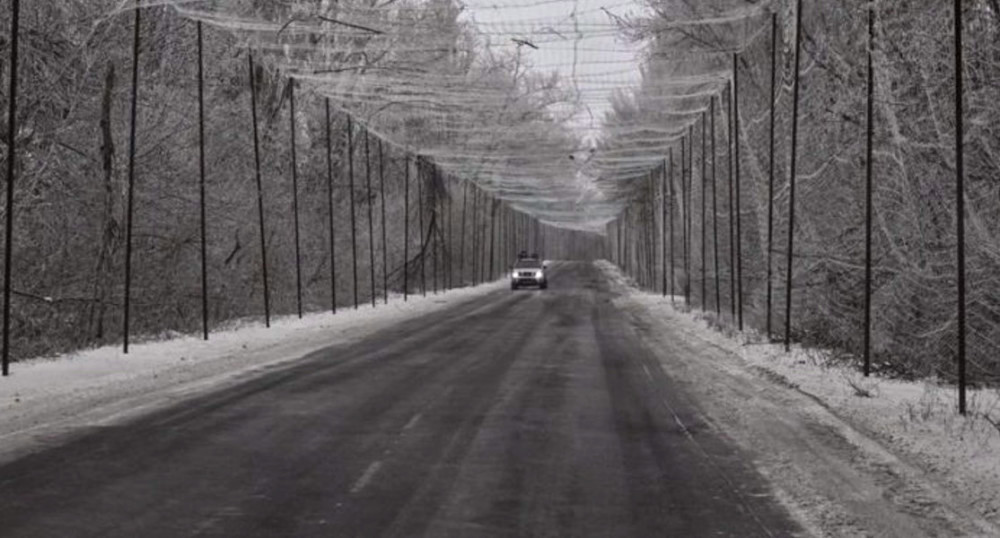
He also mentioned that supply and rotation mainly occur via air, and the use of robotic systems is only feasible under poor weather conditions. The planning of rotations is tied to weather factors such as fog, rain, and low visibility, as well as enemy infiltration activities.
Earlier, Ukrainian military leadership reported that the Defense Forces maintain control over the northern part of Pokrovsk and are holding back Russian advances in Myrnohrad. Nevertheless, reports in January indicated increased pressure from the occupiers, attempts to block logistics, and intense fighting, particularly in central areas of Myrnohrad. Analysts note that battles for these cities remain extremely challenging.
As of February 1, according to the Institute for the Study of War, the Armed Forces of Ukraine have advanced in northern Kharkiv and Donetsk regions, while Russians have intensified their attacks in the Pokrovsk and Hulyaipole directions.